

Burgundy Color Meaning: The Color Named After a Swedish Tribe
Burgundy is a color named after a wine, named after a place, named after a people, named after a hill.
Color symbolism is the study of the emotional, cultural, and psychological meanings that people across time have attached to colors. Red, blue, yellow, black, green, white — in American culture and the traditions that shaped it, colors have long carried symbolic weight, shaping how people communicate emotion, mark celebrations, express identity, and understand the world around them.
At USA Mind Studio, this category is written for readers who want to understand what colors have meant — historically and across cultures — without fear-based framing or predictive claims.
Our editorial approach is informed by two American color specialists:
Neither expert endorses this site; their work is cited as educational context. Where a color carries different meanings across traditions — American, Indigenous, Eastern, or classical — we present them side by side. Explore individual color meanings below, or read our Editorial Policy.
Burgundy is a color named after a wine, named after a place, named after a people, named after a hill.

A robin’s breast is orange. Look at one. It is plainly, obviously orange. And yet English has called that bird
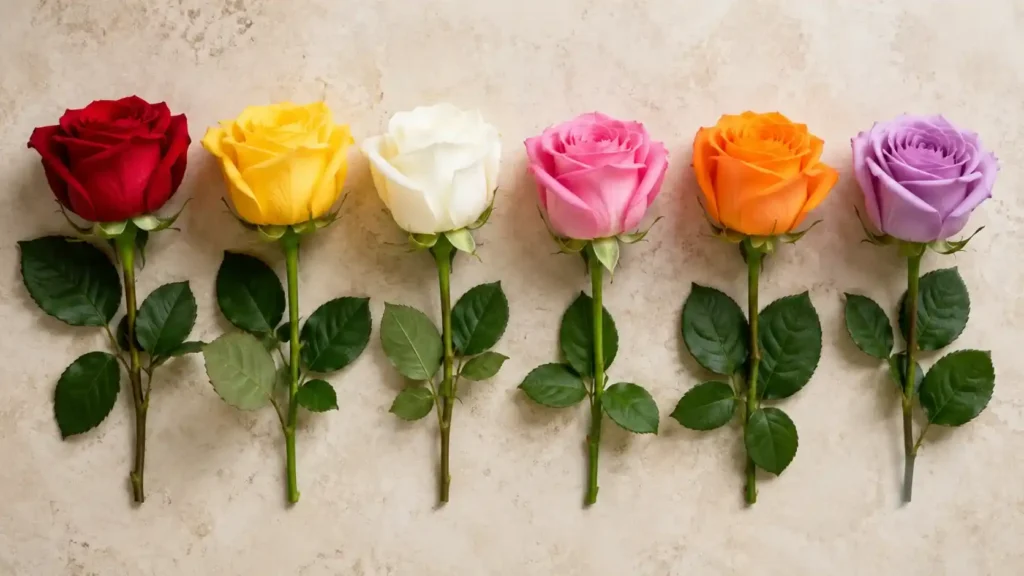
Yellow roses mean friendship. They also used to mean “I know you are cheating on me.” Both are true, about

Green means safe. It means natural, healthy, organic. It is the color on the health-food label, the recycling bin, and
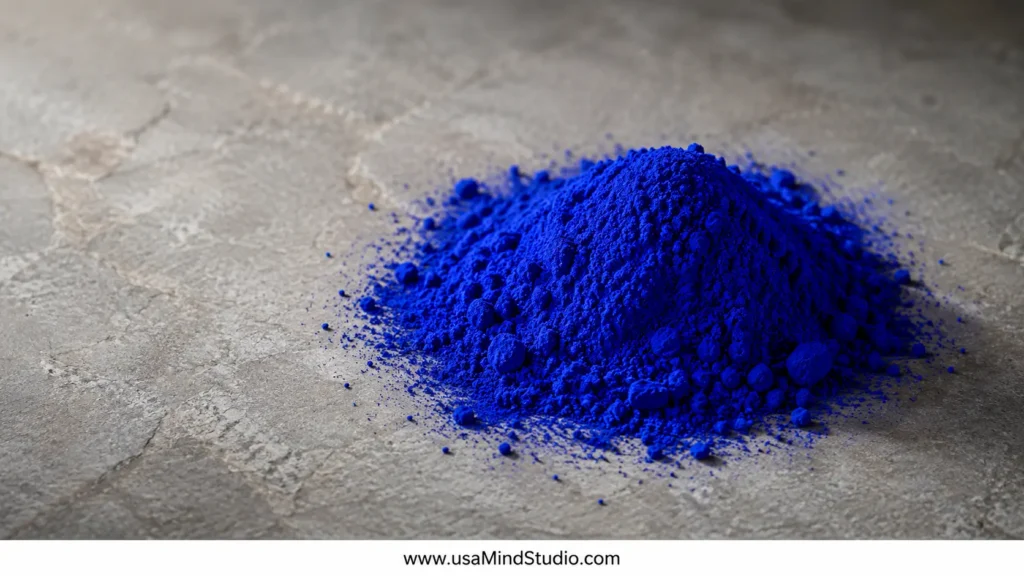
Here is something that sounds impossible. For most of human history, people did not have a word for blue. This

It took roughly twelve thousand sea snails to make about a gram and a half of purple dye. That was